![It Was Just an Accident (2025) Film Review [Spoiler Free]](/_next/image?url=%2Fimages%2Fsubstack%2Fc6f222a2-ed92-431c-b71f-16339a92268d_1920x970.jpeg&w=3840&q=75)
Imagination exists inside of a person’s psyche in forms that might/might not be uncomfortable when we pass it out. We do not think with trigger warnings inside our brains, it is mostly unfiltered, un-monitored crazy brain juice that overflows all the time causing a series of chain reactions that lead us to making “Art”.
Art might cause discomfort, because truly, it is not necessary that everyone agrees with the same concepts of ideas. It is meant to be someone’s personal and beloved feelings seeping through the veins of the artwork, else it is stale and lacks authenticity or even the human touch. What I mean to say without sounding all pretentious is the fact that what we imagine, or think, is unfiltered and chaotic, the way we portray it in our work needs to say as true to the imagination as possible else it becomes just straight up slop.
See, okay, you might think this much exposition in such vivid detail, where we all know how we make stuff is not necessary but as the stupendous amount of movies and video-games I’ve consumed have taught me, world building is important.
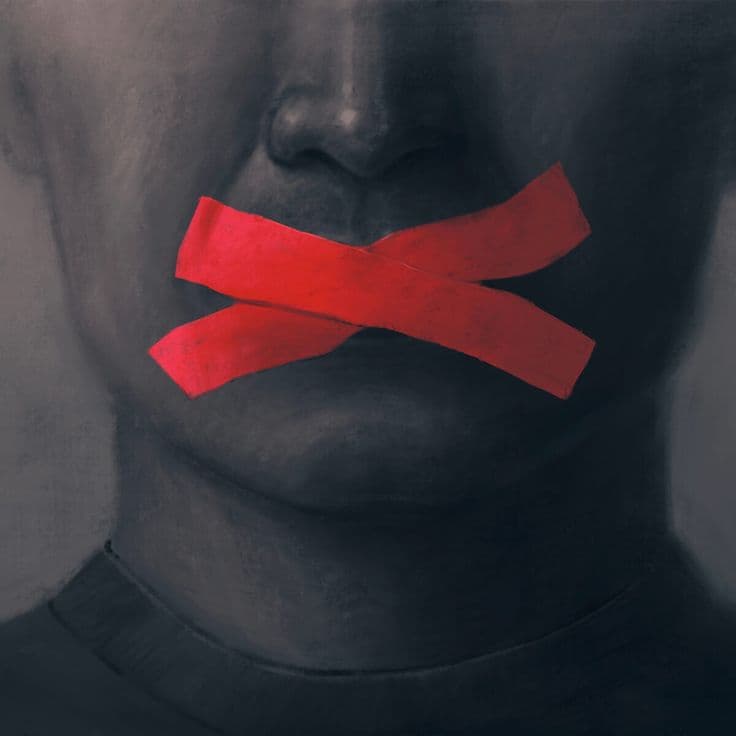
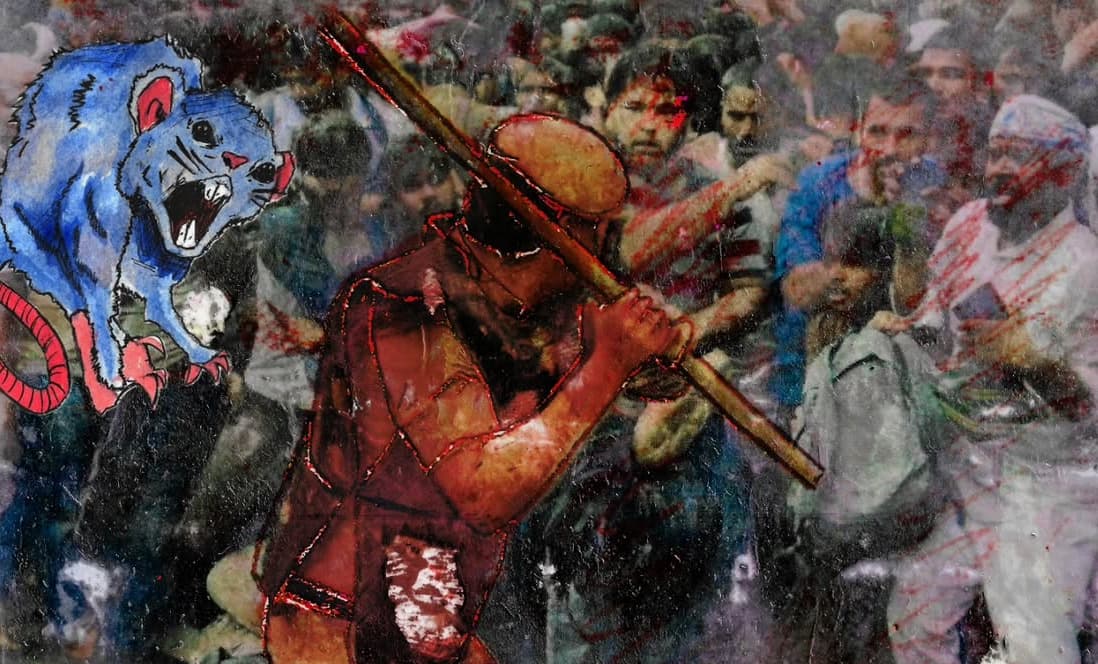
But, these are all fine and well until and unless there are external “factors” that start disabling what we can/cannot make or imagine. That, my dearest readers, is called censorship. Censorship can be imposed by regimes, people and get this, the own mind alike. It limits what the output can be, but does not limit what the brain can think, it inherently leads to suppressed ideas and emotions leading to workpieces that can be only considered “half-hearted” as in the truest sense of the terms considering the fact that half the heart was censored by the authorities.
This is not my first rodeo covering censorship, I had covered it once before in my university’s blog (I write for it regularly, I would ask you to check it out) regarding the CBFC and how it stands for censorship rather than just distributing films alongside rating them.
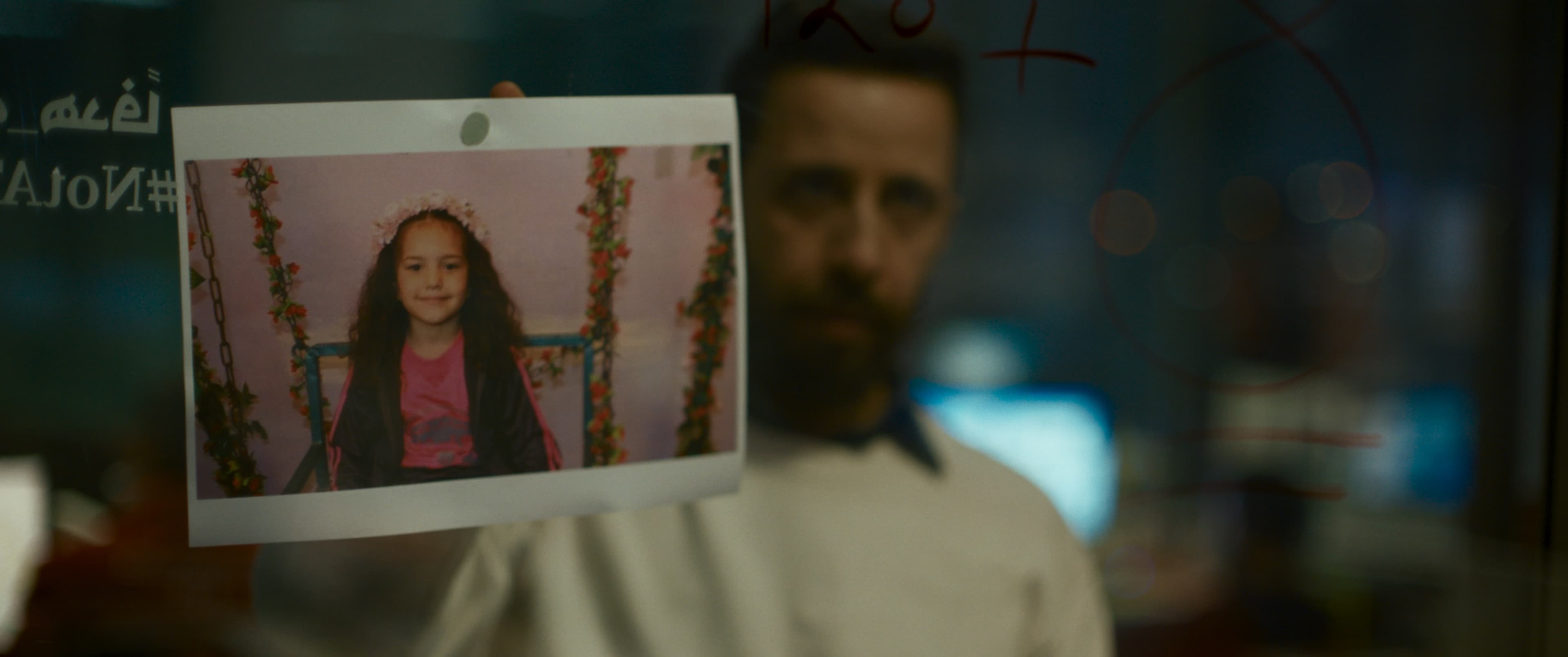
The Voice of Hind Rajab was a movie I watched two days ago. It is a harrowing account of how the occupation in the West Bank and Gaza has lead to the destruction of so many lives, and is a commentary on how when the leader’s talk on the big scale and force everyone to be binded by the laws of bureaucracy, the ones who suffer are the people and the ones who wish to just help. Hind Rajab was five, she was slaughtered along with her entire extended family, she was in a car with six dead bodies. She saw all of that, she was aware, yet she somehow survived, but that was not enough. In the end she was shot dead, with the brave ones who went to help her being shot too. This movie describes what comes as a cost of war, the lives it snatches away from their families and deprivation of the rights of even mere children who have nothing to do with wars.
The reason for mentioning that movie is the fact that, India’s Lovely CBFC censored that movie, censored something that was so important that it received a 23 minute standing ovation at multiple film festivals. The CBFC cited concerns regarding “Damaging relations with Israel”, which I call completely and utterly bogus.
The CBFC would rather air testosterone fueled, sexually driven, bloody, gorefest rampage movies like Toxic or O’Romeo albeit with a 18+ age tag (thank god they check IDs now) than actual good movies that will enlighten you and broaden your perspective on life. Even if those kind of movies air, the theatres themselves would do only like one or two shows at max and suppress the movie from reaching people altogether.
liking it so far? consider subscribing!
When you remove the thought of being imaginative altogether, you never have to worry about the people complaining or protesting for their rights, It’s all gone away because you now have control over how people think. You do not need anything more. Where we deem Media Literacy to be the need of the hour, if the Media itself comes into the hands of the regime, the VOILA! the entire population is at your grasp or soon will be there.
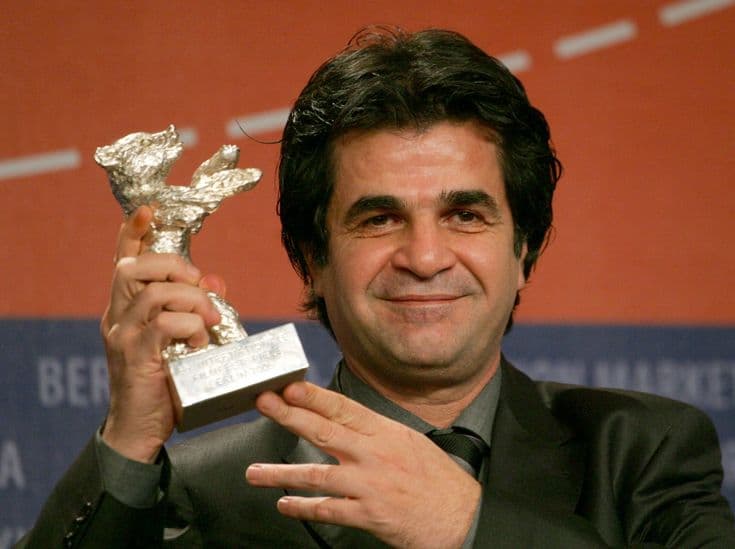
Next I’d like to talk about Jafar Panahi. For those of you unaware of him, he was extremely popular on reels during the awards season where there were multiple reels depicting the fact that “He would be facing Jail as soon as he gets back to Iran”. Well that might not have been the case as of recently, but that sure was a thing back when he first started out. When the Iranian Regime didn’t allow proper screenings of his movies, he found out loopholes, he dealt directly with theatres and hustled his way into the people’s hearts through screens across Iran and the World.
A little context to the Iranian side of the world before I continue with how Panahi encountered censorship. Back in the 60s and 70s before the regime change and the revolution, Iran had one of the most flamboyant and budding music, media and arts cultures throughout the world. Movies described the landscape of Iran with much appreciation as well as critiquing the conditions imposed by the years of radicalist regimes. But after the regime changed, it was all lost, censorship was imposed on people, women’s rights were taken away and all hope seemed to be lost for art in Iran.
But trailblazers like Jafar Panahi emerged from the ashes. Art was subdued, so it just went underground. Sympathizers of said art were prosecuted, Panahi himself went through 12+ months in prison and even that just built upon how crazy good he could make his movies.
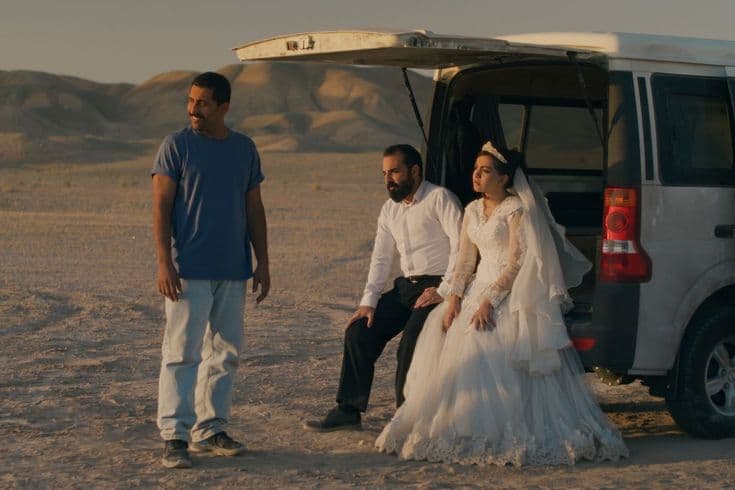
Panahi’s Movie, “It was Just an Accident” from 2025, was one of those stories which was completely built upon what his shared experience in jail was in accordance to every artist who was imprisoned for expressing their ideals in Iran. Laced with his quirky dark wit and humor, yet a commentary on the military brutality of the regime, this movie is a product of what the human mind can produce even when you face the censorship which forces you to stop imagining.
All the governments around the world have used the dystopian futures described in books like the Handmaid’s Tale, Hunger Games and 1984 as their manuals for running a country. While each regime gets more creative with censorship, I would like to emphasize on the fact that no matter how hard they try it will not matter. Art is inherently a human trait, and imagination lies within the human psyche. As long as we can let our minds run free, think how we want to and just try to tell a story, might it be of our struggles or anything else really. If we can express ourselves despite the ever looming iron curtain of censorship, we have won.
Leave a thought.
Choose a name. No account needed. Your comment appears immediately.